
Crochet is more than just a craft—it’s a relaxing, portable, and incredibly creative hobby that lets you turn a simple ball of yarn into beautiful, functional items. From cozy blankets and scarves to adorable amigurumi toys and stylish home decor, the possibilities are endless. And the best part? You don’t need a studio full of equipment. With just a hook and some yarn, you can create anywhere.
If you’ve always wanted to learn but felt overwhelmed, this step-by-step guide will walk you through everything you need to know: the right tools, fundamental stitches, and pro tips to make your first project a success.
Why Crochet? A Rewarding Hobby for Everyone
Part 1: Essential Crochet Tools for Beginners
Before you make your first stitch, gather these basic supplies. You don’t need to buy everything at once—start small and build your kit as you grow.
1. Crochet Hooks: Start with These 3 Sizes
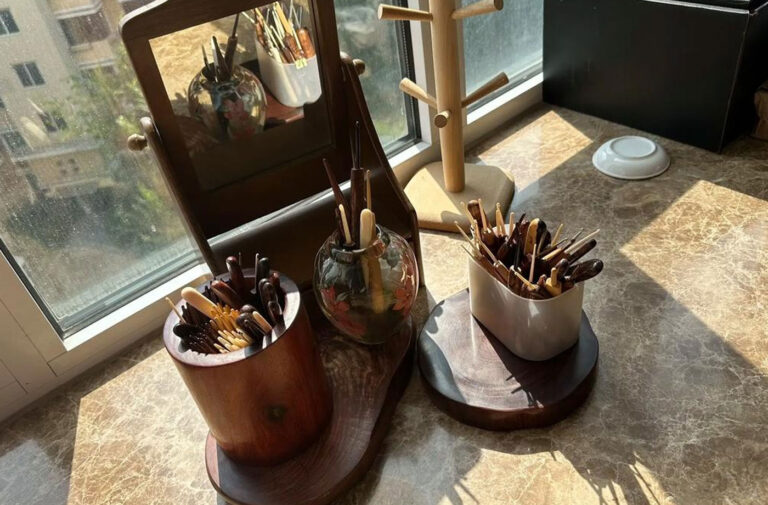
Hooks come in many sizes (measured in millimeters) and materials (aluminum, bamboo, plastic). For beginners, a set of 3 hooks will cover most starter projects:
- 3.0 mm (C-2 / D-3) – for fine yarn and delicate work.
- 3.5 mm (E-4) – a versatile mid-size, great for DK weight yarn.
- 4.0 mm (G-6) – ideal for worsted weight yarn; stitches are larger and easier to see, perfect for practice.
Tip: If your foundation chain is too tight, try using a hook one size larger just for the chain, then switch back to your main hook for the rest of the project.
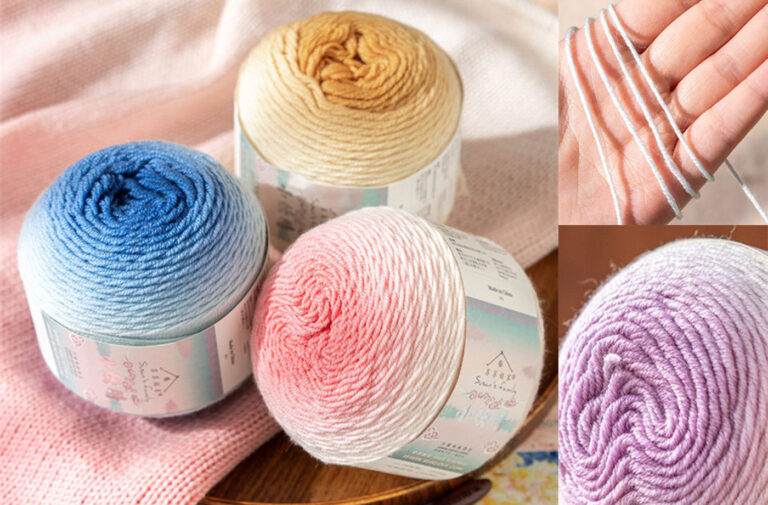
2. Yarn: What to Choose
For your first projects, pick a yarn that is:
- Smooth and light-colored – so you can easily see your stitches.
- Medium weight (worsted / DK, 4-ply) – not too thin, not too bulky.
- Soft and forgiving – like milk cotton or acrylic yarn.
Avoid dark colors, fuzzy yarns, or very textured yarns until you’re comfortable with the basics.
3. Notions: Nice-to-Haves
- Stitch markers – to mark the beginning of a round or a specific stitch. A small piece of contrasting yarn works as a DIY marker.
- Yarn needle – for weaving in ends.
- Small scissors – to cut yarn.
- Measuring tape – helpful if you’re making garments, but optional for small projects.
Part 2: 6 Basic Crochet Stitches You Must Know
These six stitches are the foundation of almost every crochet pattern. Master them, and you’ll be able to make countless projects.
1. Slip Knot and Chain Stitch (ch)
Every crochet project begins here.
- Make a loop with the yarn, insert hook, yarn over, and pull through to create a slip knot.
- Hold the hook in your right hand, and wrap the yarn around your left hand for tension.
- Yarn over (yo) and pull through the loop on your hook. Repeat to form a foundation chain.
2. Single Crochet (sc)
The shortest and most basic stitch, creating a dense fabric.
- Insert hook into the second chain from the hook.
- Yarn over, pull up a loop (2 loops on hook).
- Yarn over again, pull through both loops.
3. Half Double Crochet (hdc)
A medium-height stitch, perfect for quick projects.
- Yarn over, insert hook into next stitch.
- Yarn over, pull up a loop (3 loops on hook).
- Yarn over, pull through all three loops.
4. Double Crochet (dc)
Taller and more open than sc, great for blankets and garments.
- Yarn over, insert hook into stitch.
- Yarn over, pull up a loop (3 loops on hook).
- Yarn over, pull through first two loops (2 loops remain).
- Yarn over, pull through last two loops.
5. Treble Crochet (tr)
Even taller, creating a lacy effect.
- Yarn over twice, insert hook into stitch.
- Yarn over, pull up a loop (4 loops on hook).
- Yarn over, pull through first two loops (3 loops left).
- Yarn over, pull through next two loops (2 loops left).
- Yarn over, pull through last two loops.
6. Magic Ring (Adjustable Ring)
Essential for starting projects in the round (hats, amigurumi, coasters).
- Wrap yarn around two fingers twice.
- Insert hook under both strands, yarn over, pull up a loop.
- Chain 1 (this counts as your first chain).
- Work the required number of single crochet stitches into the ring.
- Pull the tail to close the ring tightly.
- Join with a slip stitch to the first stitch.
Part 3: Top Tips for Crochet Success
1. Master Your Tension
Consistent tension is the secret to even, professional-looking stitches.
- Too loose: Fabric looks floppy and has large gaps.
- Too tight: Hard to insert hook, fabric stiff and curled.
- Practice until your stitches are uniform. Relax your grip!
2. Count Your Stitches
Always count your stitches at the end of each row. Losing or adding stitches is the most common beginner mistake. Use stitch markers every 10 or 20 stitches to help.
3. Weave in Ends Neatly
When you finish, don’t just knot and cut. Use a yarn needle to weave the tail back and forth through several stitches on the wrong side. Trim close to the work for a clean finish.
4. Learn to Read Patterns
Crochet patterns use standard abbreviations (ch, sc, dc, etc.) and sometimes charts. Start with simple patterns and look up any symbol you don’t know. Over time, you’ll read them like a pro.
5. Watch Video Tutorials
Sometimes seeing is easier than reading. Search YouTube for “beginner crochet tutorial” or the specific stitch you’re learning. Slow-motion videos can be a game-changer.
6. Practice, Practice, Practice
Your first few rows may look uneven. That’s normal! Crochet is a skill that improves with repetition. Make a simple scarf or a set of coasters to build confidence.
Frequently Asked Questions (FAQ)
Q: What is the easiest stitch for a beginner?
A: The chain stitch and single crochet are the easiest to learn. Start with a small square of single crochet.
Q: How long does it take to learn crochet?
A: You can learn the basic stitches in an hour, but it may take a few projects to feel truly comfortable. Be patient with yourself.
Q: What should I make as my first project?
A: A simple scarf, a washcloth, or a coaster are perfect first projects. They’re small, use basic stitches, and give you quick satisfaction.
Q: Why are my edges uneven?
A: This usually happens if you miss the first or last stitch of a row. Always count your stitches and use a stitch marker in the first stitch.
Q: Do I need to block my finished project?
A: Blocking (wetting and shaping) can even out stitches and improve drape, but it’s not essential for every project. It’s most helpful for lace or garments.
Start Your Crochet Journey Today
Crochet is a wonderfully relaxing and creative craft. With just a hook, some yarn, and the knowledge of these six basic stitches, you’re ready to create beautiful, handmade items. Don’t be discouraged if your first attempts aren’t perfect—every expert was once a beginner.
Pick up your hook, choose a ball of yarn, and make your first stitch today. Happy crocheting!

Aliquid aut non dolores aliquam enim fuga culpa. Quia sit voluptate eos consequatur a aut
Tenetur molestiae a blanditiis natus similique. Ipsum iste et placeat et. Est aut natus aut quo debitis velit. error assumenda porro nobis laborum. Et natus odio commodi quasi. Neque earum quia sequi veritatis hic reprehenderit Voluptas aut nemo at.
Laboriosam ut officiis quas error voluptate autem. Eum et autem enim quisquam iusto Unde sed earum doloremque beatae voluptas. Voluptas voluptatum temporibus dolores veniam neque quo. Veniam ut excepturi illo rerum aut impedit omnis. Repellat est suscipit quis. Dolorem fuga veritatis non sunt doloremque libero. aliquam qui Enim eius cumque magni rerum nam.
Autem suscipit qui animi aspernatur. Voluptatem velit dolorem quo vel
Ut repellat suscipit quam officiis. Dolores quia voluptas officia aut excepturi quaerat nam. Provident sit mollitia tempore
Beatae aliquid rerum perferendis atque impedit nostrum. Commodi eos voluptatem laborum esse.
Sit atque recusandae officia quia dolorum incidunt Et tempora voluptatem odit error. Debitis error tenetur aut voluptatem et aut. Qui voluptatem harum alias. Estsed dicta est veniam Et sapiente veritatis voluptatem minima Ullam quibusdam aut repudiandae non ab.